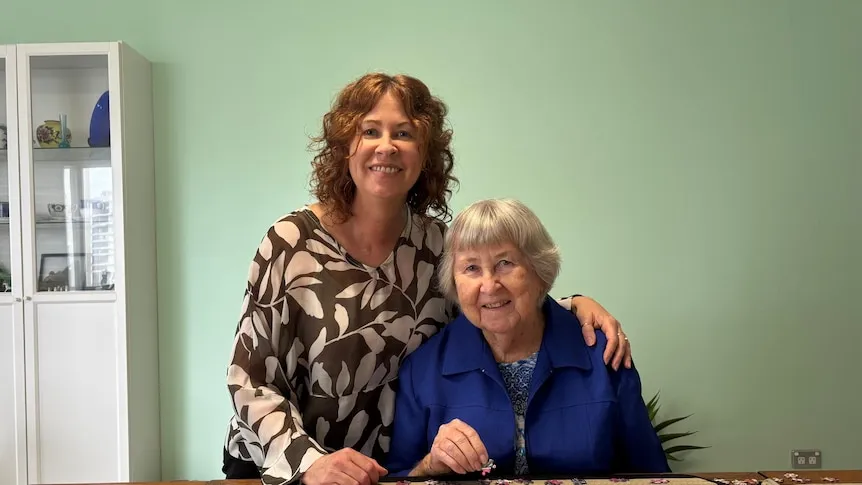
Women frequently assume primary responsibility for caring for younger or older family members. The 2022 HILDA Survey indicates that women are considerably more likely to act as carers than men.
Overlooked Care Demands on Childless Women
While extensive studies examine the “motherhood penalty,” less attention focuses on caregiving duties for women without children, observes Myra Hamilton, associate professor at the University of Sydney researching gender, work, and care. Her 2020 research reveals that single women over 45 without kids devote substantial time to supporting aging relatives, individuals with disabilities, or chronic conditions.
“Many women described an implicit or explicit family expectation that, lacking children, they remain the most available and flexible to step in and offer help,” Hamilton explains.
This pattern stems from gendered views of care as women’s domain, combined with assumptions that childless individuals face fewer demands than parents, Hamilton adds. The women in her study embraced caregiving for aging parents but resented the sense of obligation.
Personal Experiences of Childless Carers
Judy Graham, a 55-year-old counselor on the Gold Coast/Yugambeh language region who works with childless women and shares care for her 86-year-old mother with her brother, notes that many clients manage these duties alone or amid tense sibling relationships.
“Families often assume, ‘You don’t have kids, so drop everything for the hospital visit or doctor’s appointment,'” Graham says. She attributes this to pro-natalist biases viewing childless lives as less demanding.
“We endure psychological, physical, and financial stresses like everyone else, yet single childless women often bear these alone,” she adds.
Financial and Career Consequences
Caregiving beyond motherhood significantly disrupts employment and income, Hamilton states. Childless women experience career breaks later in life when tending to elderly relatives, reducing work hours, advancement opportunities, training, and superannuation growth.
Graham observes that many shift to part-time work or pause businesses, heightening financial insecurity. Employers frequently overlook elder care needs, unlike child-related duties, Hamilton reports.
“Bosses viewed them as unburdened by care, demanding extra shifts or leave scheduling around others’ school holidays,” she says. Hamilton stresses challenges affect all women balancing varied care and work roles.
Social and Emotional Strain
Caregiving isolates childless women, excluding them from family events, Graham notes. “They say, ‘Handle the hospital since you lack kids for the birthday party’—it’s deeply painful and dismisses the toll.”
For involuntarily childless women, sibling comments like “I can’t due to kids” painfully highlight their own childlessness. “We crave nurturing our desired children but deliver it elsewhere, fueling ongoing disenfranchised grief,” Graham explains.
Fears for Personal Futures
Many women in Hamilton’s study worry about their own aging without spousal or child support, fearing reliance on formal systems after exhausting resources aiding relatives.
“I’m depleting my financial, emotional, and social reserves while nearing my own care needs—who will support me?” they question. Having navigated aged care complexities firsthand amplifies these concerns.
Graham warns of mental health risks from burnout. “Caring holds privilege, but recognizing emotional, financial, psychological, and physical costs isn’t selfish.”