

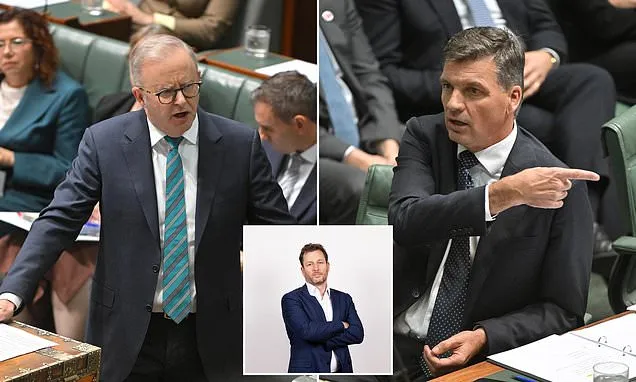
Coalition Calls for Snap Election Amid Tax Reform Controversy
The opposition is pressing for an early general election, citing recent tax policy shifts by the governing Labor party. This move, however, carries significant political risk for the Coalition, potentially backfiring if not strategically managed.
At the heart of the dispute are tax changes that reportedly contradict earlier campaign promises. Proponents of an early election argue that such a move is the only democratic avenue for the Prime Minister and Labor to secure a mandate for these reforms. The argument is that voters were given a clear impression that these specific tax adjustments were not on the agenda during the last election cycle.
Broken Promises and Eroding Trust
The core accusation is that Labor, in its pursuit of these tax alterations, has fundamentally breached public trust. While governments are permitted to adapt policies based on changing circumstances or to address fiscal needs, the current situation is characterized as a departure from campaigning on one platform and then implementing significantly different measures without voter consent. This is being framed as a matter of honesty and transparency.
The implementation of these tax changes is seen not merely as a minor political misstep but as a significant erosion of the foundational trust between the government and the electorate. Critics contend that the administration actively worked to convey that reforms to capital gains tax, negative gearing, and trusts were off the table, only to pursue them after securing power.
The Mechanics and Politics of an Early Election
Discussions surrounding the constitutional feasibility of holding an early election have surfaced. Options such as a House of Representatives-only election or a double dissolution, contingent on creating legislative deadlock, are being considered. However, the primary obstacle is reportedly not legal but political – a reluctance to face the electorate under current circumstances.
An early election, proponents suggest, would offer clarity by compelling Labor to directly address its tax reforms with voters. It would also place the credibility of the Prime Minister and the Treasurer under scrutiny, a prospect that some believe is being avoided.
Potential Electoral Ramifications
Analysis of current public opinion polls suggests that a snap election could significantly weaken the opposition, despite the government’s actions. Reports indicate that the Liberal Party is experiencing internal divisions, the National Party is facing considerable challenges, and the One Nation party is seeing a surge in support. A campaign focused on Labor’s alleged broken promises might inadvertently strengthen the current government, potentially returning Prime Minister Albanese to power with a reinforced mandate and diminishing the Coalition’s parliamentary presence.
Furthermore, such an election could elevate Pauline Hanson to the position of official opposition leader. Despite the potential self-destructive nature of calling for an early election, the principle behind the demand – that significant policy shifts require a fresh mandate – is being defended.
The financial cost of an early election is acknowledged, but it is being contrasted with broader concerns about government spending and rising national debt. Ultimately, the debate centers on whether voters should be presented with the opportunity to approve substantial policy changes directly, rather than having them enacted without explicit pre-election endorsement.









