

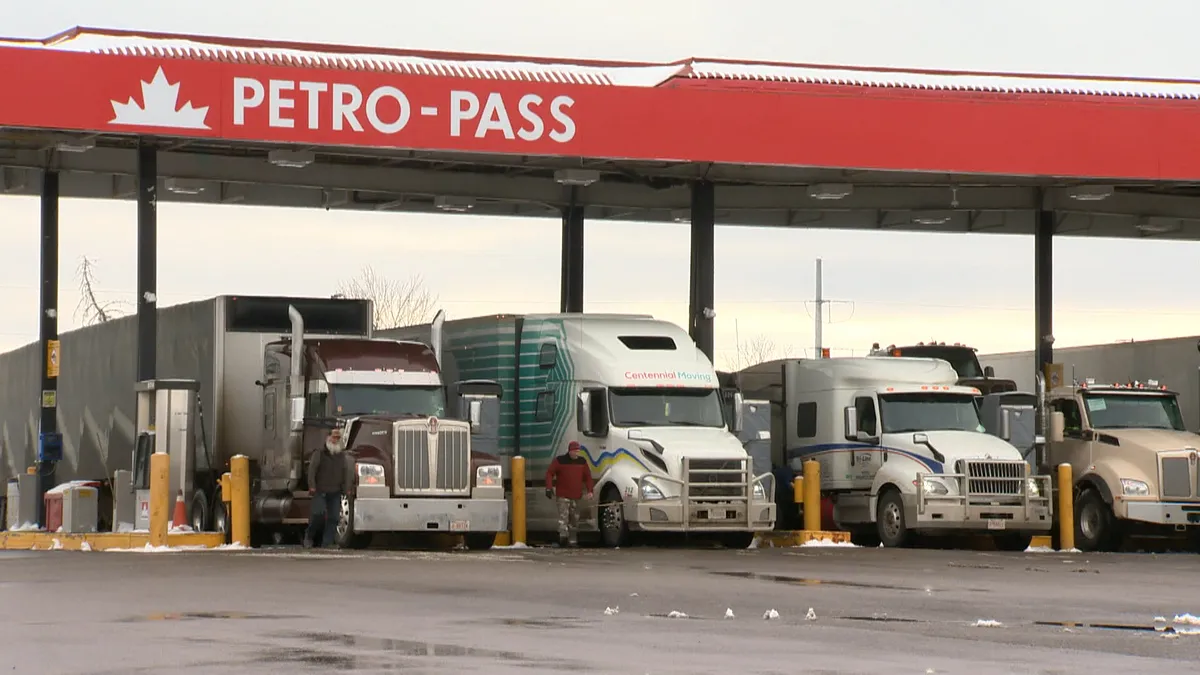
The ongoing conflict in Iran pushes gasoline prices higher worldwide, sparking worries about rising costs for other fuels and their effects on consumers and the economy.
Diesel Costs Hit Record Highs in Canada
Diesel prices in Canada average nearly $2.30 per litre, marking a surge of more than 50 per cent compared to three months earlier.
“It’s unprecedented. We’ve never seen anything like this in the oil market or the refined products market, and it’s getting worse,” states Richard Masson, a Calgary-based petroleum industry analyst. “The tankers that left four weeks ago just before the war started are just starting to unload at their destinations.”
Strait of Hormuz Closure Disrupts Global Oil Flows
Normally, about 13 million barrels of oil move daily through the Strait of Hormuz, a critical chokepoint at the Persian Gulf’s entrance handling roughly 25 per cent of global oil shipments. The closure halts oil and gas exports from the region, shaking markets everywhere.
“It takes three to four weeks to get where they’re going, but over the last four weeks, no tankers have left the Strait of Hormuz,” Masson explains. “So over the next few weeks, places that need those fuels won’t receive them.”
Refined products like diesel now fetch around $200 per barrel. Countries such as China have halted refined product exports, forcing areas like California—which relies on Chinese supplies due to local refinery closures—to seek alternatives for diesel and gasoline.
“The whole global market is totally upset, and people are still trying to understand what it all means,” Masson adds.
Businesses Brace for Higher Freight Costs
Small business owners in Alberta monitor the situation closely, as prolonged conflict could drive up expenses. “The price will affect freight and delivery, for sure,” says Ernie Tsu, owner of Trolley 5 Brewpub in Calgary and a member of the Alberta Hospitality Association.
Tsu notes that suppliers have not yet lowered prices. “I’m sure it’s going to,” he says, adding that restaurants may raise menu prices if freight costs climb. Many partner with local farmers to cut transportation expenses and maintain quality, which helps significantly.
Supply Chain Breakdown Risks Rise
Masson warns that extreme diesel prices could collapse supply chains. “There’s two parts to that. One is the price gets higher for transportation because of the diesel cost, and so that gets transmitted through to prices,” he says. “The other is people just can’t get hold of the product physically, so they stop shipping things, and supply chains start to break down.”
Recent discussions echo COVID-era disruptions.
IEA Reserves May Not Ease Diesel Shortages
Members of the International Energy Agency recently commit hundreds of millions of barrels from strategic reserves to offset Middle East oil shortfalls. However, Masson cautions this may not address diesel needs, as the released oil does not match required types.
Middle Eastern medium-sour crude yields more diesel than gasoline. Its absence hits diesel production hardest, since not all crudes suit diesel refining.
While Canadian oil works well for diesel, recent U.S. fracking output is lighter and less suitable. “We have this real problem where not only is there a smaller supply of crude, but it’s not the right kinds of crude in the right refineries to keep production of things like diesel going at the rate we need—and the economy depends on diesel,” Masson states.
Higher prices will force adjustments, curbing use to essential needs as the crisis intensifies.









