The DJI Mic Mini stands out as the top compact wireless microphone since its 2024 debut, delivering exceptional audio for content creators. Its successor, the Mic Mini 2, maintains five-star performance with clear 24-bit audio, dual-level noise reduction, 400m transmission range, solid battery life, and an ultralight 11g design. Owners of the original Mic Mini find few compelling reasons to switch, as core capabilities remain identical. Key updates include sharper pricing and a mobile-focused bundle, though a Mic Mini 2S arrives later this year with internal recording and support for four mics per receiver.
Design Enhancements
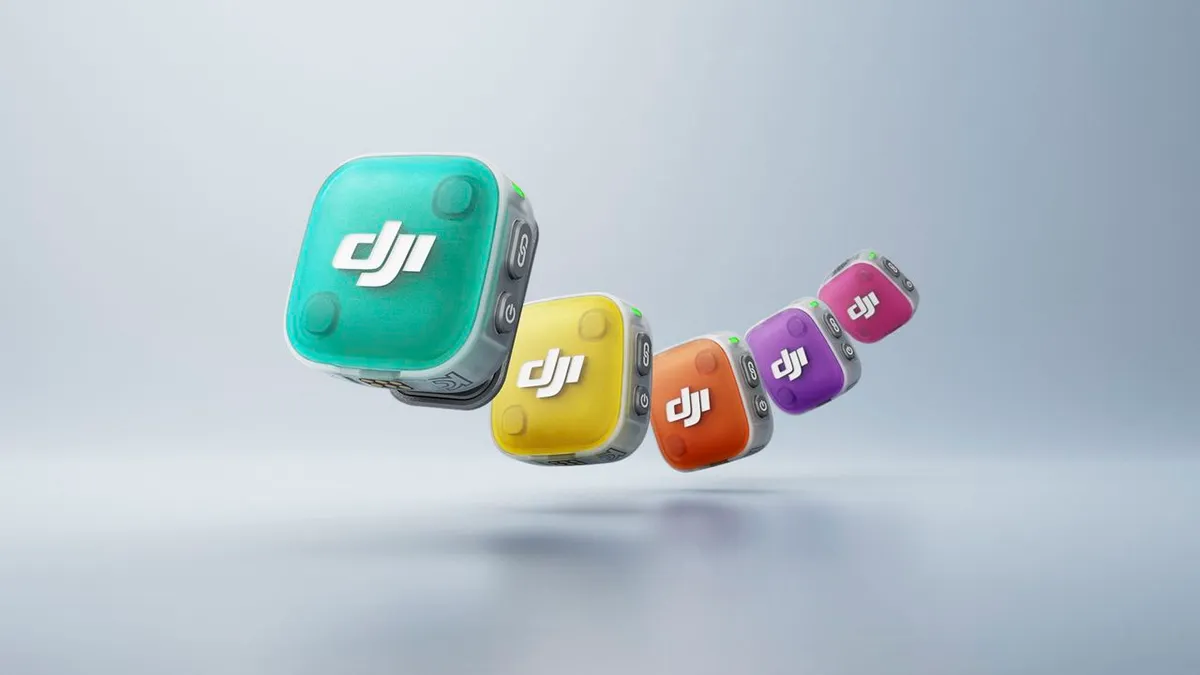
Both models boast a discreet, lightweight build, with the Mic Mini 2 weighing just 11g excluding its magnetic clip. A standout addition is magnetic covers in various colors, including limited editions. Select bundles include these covers, while extras sell separately. Style-focused users may appreciate matching their mic to outfits, but standard black or white options suffice for most, making this feature more novelty than necessity.
Voice Tone Presets
The Mic Mini 2 introduces three presets—regular, rich, and bright—to tailor sound for different environments. Testing reveals minimal audible differences, offering little incentive for upgrades. Without strong appeal from colors or presets, new buyers benefit most from value-driven pricing.
Pricing and Bundles
The original Mic Mini’s 2 TX + 1 RX + Charging Case bundle launched at $169 / £145 / AU$245 but now dips to £65 / AU$124. The Mic Mini 2 equivalent slashes to £89 / AU$149, reflecting market competition—no U.S. pricing yet. A new solo creator kit pairs one mic, USB-C mobile receiver, and case for £49 / AU$89, ideal for phones versus bulkier camera receivers in full bundles. Solo mics remain unavailable. These rates position the Mic Mini 2 as a value leader in a crowded field, despite modest upgrades.