

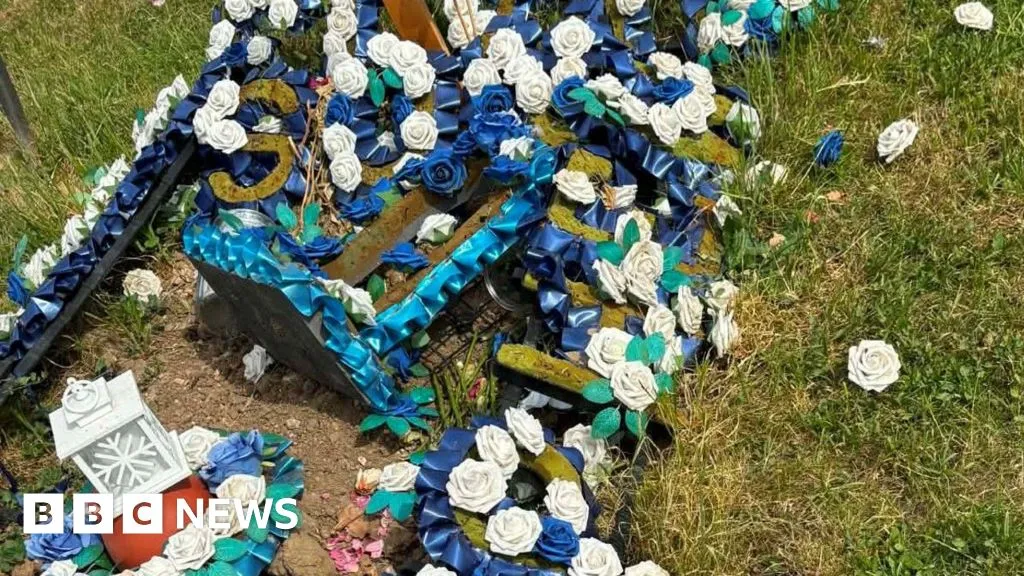
An ecologist is advocating for a complete ban on plastic decorations within Kingston Cemetery, citing severe environmental concerns.
Call for Plastic Phase-Out
Alison Fure, a 68-year-old ecologist who has lived near the south-west London cemetery for 35 years, is petitioning Kingston Council to initiate a gradual removal of plastic items. These include ornaments, artificial flowers, and windmills commonly placed on graves.
Fure expressed that the proliferation of plastics has significantly degraded the cemetery’s natural environment, leaving its ecology “hanging by a thread.” She believes a policy change would align Kingston Cemetery with practices observed in other London burial grounds.
Environmental Impact on a Nature Site
Kingston Cemetery is designated as a Site of Importance for Nature Conservation (SINC). Fure highlighted her regular litter-picking activities with her granddaughter within the grounds, underscoring the visible impact of plastic waste.
“The immediate concern is the plastics becoming microplastics. The mowers churn up plastic leaves and petals and it gets embedded over the years,” Fure stated. She added that the cemetery, intended as a “place of natural peace, dignity, and reflection,” is now marred by cellophane wrappers, plastic plant pots, broken ornaments, and general litter.
Fure voiced her concern that the cemetery is effectively becoming a “landfill site” and suggested that the council may be unaware of the extent of the problem. She noted that after windy days, the cemetery’s appearance deteriorates significantly.
River Pollution Concerns
Furthermore, Fure is worried about plastic waste migrating into the Hogsmill River, which runs along the cemetery’s southern border. “Everything ends up blowing down the bank and into the river,” she observed.
She indicated that decisions regarding the comprehensive removal of plastics, including potential exemptions for children’s graves, would fall under the council’s purview.
Council’s Response
A spokesperson for Kingston Council confirmed that current regulations prohibit plastic fencing, and visitors are already requested to remove cellophane wrappers from floral tributes. The council emphasized its commitment to safeguarding the cemetery’s “vital habitats.”
The spokesperson also acknowledged the emotional aspect of commemoration for visitors. The council stated that the petition will be considered once it closes, in accordance with its established petition scheme. This process will involve reviewing and potentially strengthening messaging on the council’s website and in direct communications with residents.









