

Concerns Mount Over Release of Genetically Modified Mosquitoes
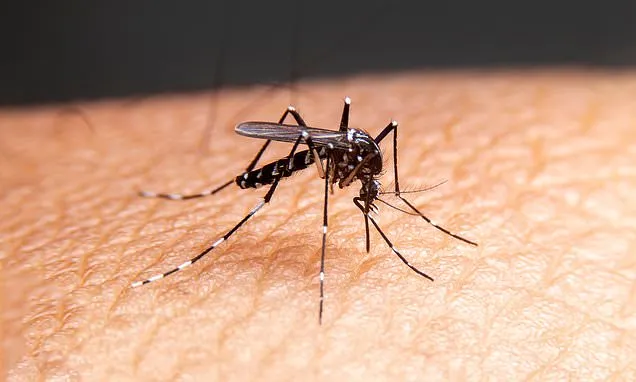
A significant public health initiative involving the release of millions of bacteria-infected male mosquitoes into the United States has ignited widespread concern. The project, spearheaded by Alphabet’s life sciences subsidiary Verily, aims to combat the spread of diseases like West Nile Virus by reducing mosquito populations.
The Debug Project: A Bold Strategy
Under the banner of the Debug Project, Verily intends to release approximately 64 million male mosquitoes, sterilized using the Wolbachia bacteria, in Florida and California. The strategy is to have these altered males mate with wild female mosquitoes, thereby controlling the breeding cycle and decreasing the overall number of disease-carrying insects. This approach is described as a form of ‘bug birth control’ by Dr. Laura C. Harrington, a biologist with the CDC specializing in mosquito behavior.
Expert Voices Raise Cautionary Notes
While the intention is to curb disease transmission, some experts are expressing reservations. Dr. Harrington voices concerns about the broad implications of manipulating the environment through genetic modification. She highlighted potential risks based on laboratory studies involving other mosquito species, where the presence of similar bacteria has been observed to enhance virus transmission. This raises the possibility of unintended consequences, potentially leading to more potent outbreaks of diseases like West Nile Virus.
Historical Precedents and Public Skepticism
The prospect of a major technology company altering natural ecosystems has drawn parallels to past ecological interventions that yielded unforeseen negative outcomes. Representative Tim Burchett has been vocal about such concerns, citing historical examples like the introduction of kudzu in the late 1800s, which was intended to aid agriculture but instead became a rampant invasive species. He also referenced the Lone Star tick, which can cause Alpha-gal Syndrome, leading to meat allergies in humans. Burchett suggests these instances serve as cautionary tales against human attempts to ‘play God’ with natural systems.
Uncertainties in Mosquito Biology
Dr. Harrington further elaborated on the complexities, noting that scientific understanding of male mosquitoes remains incomplete. Despite extensive research on mosquitoes, the specific dietary needs and natural behaviors of males, who do not feed on blood, have been less explored. This knowledge gap, she suggests, adds another layer of uncertainty to large-scale manipulation efforts.
Regulatory Oversight and Future Outlook
Concerns have also been directed towards regulatory bodies responsible for overseeing such environmental releases. Representative Burchett has expressed faith in the Environmental Protection Agency head, Lee Zeldin, to critically assess the project. The success and safety of the Debug Project will likely depend on rigorous scientific evaluation and transparent oversight, as the public grapples with the potential ramifications of advanced biotechnological interventions in the environment.









