

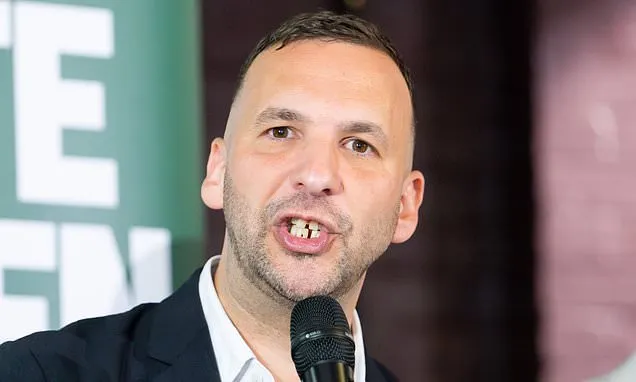
Zack Polanski, leader of the Green Party, sparked debate with comments on his podcast about envisioning a utopian society. He stated: ‘Before we go into complete Utopia, which I’m totally there for, there are people, though, who would identify as Right-wing, or indeed even far-Right. And no matter what humanity or community we put them in, they are set on destroying or pushing this toxicity. Do we think we can change their minds? Or is it a case of building a society that doesn’t include them?’
Evolution of Green Party Priorities
The Green Party has shifted its focus in recent years. Environmental concerns, once central, now share space with issues like wealth redistribution, trans rights, anti-racism efforts, and criticism of Israel. Party candidates often bear unconventional names such as Bliss, Cinnamon, Aurora, and Rainbow.
Chagos Islands Controversy
During debates over Prime Minister Keir Starmer’s bill to transfer the Chagos Islands to Mauritius, opposition came from Conservatives, Reform UK, Liberal Democrats, and some Labour MPs. Concerns centered on protecting a key marine conservation area and supporting the displaced Chagossian population. The Green Party remained silent on the issue.
Historical Parallels in Utopian Thinking
Polanski’s remarks draw comparisons to past utopian ideologies. Friedrich Engels wrote in 1849: ‘The next world war will result in the disappearance from the face of the earth not only of reactionary classes and dynasties, but also of entire reactionary peoples. And that, too, is a step forward.’ Communist regimes, inspired by such ideas, resulted in an estimated 100 million deaths, far exceeding losses from the Atlantic slave trade or Nazi actions.
Lenin described the ‘revolutionary dictatorship of the proletariat’ as rule maintained through violence, leading to widespread repression.
Polanski’s Policy Agenda
Polanski advocates universal basic income, a higher minimum wage, expanded benefits, free housing for undocumented immigrants, and reparations for slavery. He proposes funding these through replacing capitalism. Supporters, often young women under 25, view opposition as rooted in meanness or malice.
Polanski’s communication style features short, disconnected statements, which some find challenging in debates. He positions criticism as evidence of unsettling powerful interests.
The Green Party retains elements of earlier misanthropy, questioning human population growth amid environmental goals.









