A leading airlines executive predicts potential chaos for summer holidays, stating that jet fuel supplies will require months to stabilize even after the Strait of Hormuz reopens.
Strait of Hormuz Closure and Ceasefire
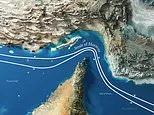
Iran blocked the Strait of Hormuz, a vital 21-mile-wide shipping lane, following attacks by the US and Israel on February 28. This waterway handles about 20 percent of global oil and liquefied natural gas (LNG) flows. The closure disrupted energy supplies worldwide, driving up prices and halting industries and daily activities.
US President Donald Trump announced a two-week ceasefire agreement that prompts Iran to unblock the strait. Oil prices subsequently dropped below $100 per barrel, boosting airline stocks and offering hope to the tourism sector.
Persistent Jet Fuel Challenges
Willie Walsh, director general of the International Air Transport Association (IATA), warns that high jet fuel costs will linger globally. He attributes this to ongoing disruptions at Middle East oil refineries damaged during the conflict. Retaliatory strikes by Iran spread damage across Iraq, Kuwait, Qatar, Saudi Arabia, and the United Arab Emirates—all key oil producers.
Fuel represents airlines’ second-largest expense after labor, comprising roughly 27 percent of operational costs, per IATA data. Walsh anticipates declining crude oil prices, which could ease burdens for drivers amid recent fuel shortages and long queues at stations.
Industry-Wide Strain and Warnings
Oil prices have surged nearly 50 percent to around $100 per barrel since the conflict erupted. Airlines respond with fuel surcharges, route cuts, and flight rerouting to bypass Middle East airspace, extending travel times and raising fares. European and Asian carriers have hiked ticket prices and trimmed destinations.
Middle East-based airlines face the severest impacts, with thousands of cancellations due to missile and drone attacks. Operators like Qatar Airways, Gulf Air, flydubai, and Air Arabia evacuate passengers, crews, and aircraft while reviewing costs amid daily multimillion-dollar losses. Regional bookings plummet 63 percent, nightly hotel rates drop 28 percent, and cancellations rise 163 percent.
Gediminas Ziemelis, founder of Avia Solutions Group, likens the crisis to the COVID-19 pandemic, citing grounded planes, demand collapse, and uncertain recovery. “We need to be ready for any area, district, jurisdiction and geopolitical risk,” Ziemelis stated. “We may see potential first bankruptcies.”
Tourism Hotspots Affected
Dubai flights show rows of empty seats, including on Emirates services. Images capture at least five aircraft damaged at regional airports. The city, once a haven for tourists and expats, now resembles a ghost town as residents flee Iranian missile and drone strikes on skyscrapers and luxury hotels like the Fairmont on Palm Jumeirah.
Neighboring destinations suffer too. Cyprus hotel bookings fall 40 percent amid fears of escalation. A drone strike on a British naval base there on March 2 spiked short-term rental cancellations to 100 percent, settling at 45 percent by March 21, according to AirDNA data. Greece and Turkey report modest increases in cancellations.