Lib Dems Unveil ‘Essential Energy Guarantee’ Plan
The Liberal Democrats have put forward a new energy policy aimed at providing all households with a basic allowance of energy at a reduced price. Under this proposal, individuals with the greatest need would receive an additional allocation of cheaper energy, potentially saving them an average of £140 annually, while most households could see savings of around £100 per year.
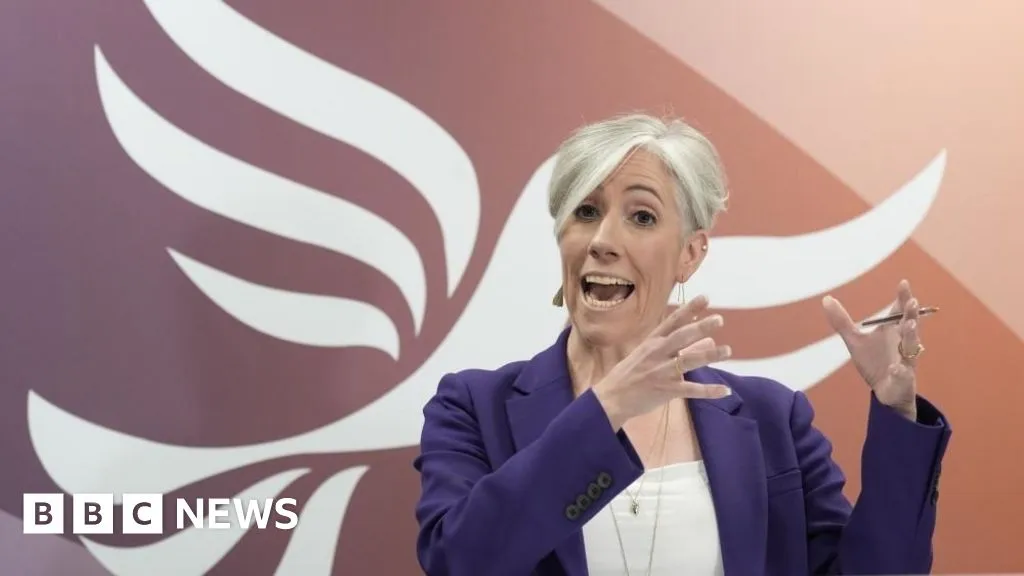
Daisy Cooper, the party’s deputy leader, stated that the policy is designed to address what she termed a “national scandal where millions can’t afford the most basic energy they need.” This initiative, dubbed the “Essential Energy Guarantee,” is founded on the principle that “every household should be able to afford energy.”
Targeted Support and Potential Savings
The plan includes an “Essential Energy Allowance” for every household, intended to cover essential needs at a discounted rate. Families with more children would qualify for an extra allowance. Furthermore, households facing greater hardship, such as those on the lowest incomes or requiring significant energy for medical equipment like electric wheelchairs or home ventilators, would receive a broader discount on all their energy consumption.
Party estimates suggest this would lead to an average annual saving of £100 for every household, with the poorest 20% of families potentially saving an average of £140 each year. Those in the most vulnerable situations are projected to benefit the most significantly.
Economic and Environmental Benefits
Cooper highlighted that the plan could generate long-term savings for the state, citing the National Health Service’s annual expenditure of £1 billion to address the consequences of people living in cold, poorly insulated homes.
Funding for the proposal is anticipated to come from the energy regulator Ofgem being directed to “claw back” an estimated £5 billion in excess profits that energy firms are predicted to accrue by 2028. The Liberal Democrats argue that domestic energy suppliers operate as “total monopolies” and that the regulator should compel these companies to “pay back” what they deem to be windfall profits, rather than profits derived from genuine investment.
Broader Energy Policy Proposals
Beyond the energy discount scheme, the Liberal Democrats advocate for low-income families to receive free home insulation and heat pumps. They also propose removing green levies from household energy bills, instead funding these initiatives through a targeted windfall tax on banks. A key objective is to “break the link” between electricity and gas prices and to increase investment in renewable energy generation.
The party projects that these combined measures, including the “Energy Guarantee,” could reduce average household bills by up to £900 annually by 2035.
Current Energy Landscape
Recent surges in wholesale oil and gas prices, partly attributed to international conflicts, are set to impact energy costs. The energy price cap, which limits charges for customers on standard variable tariffs, is scheduled to increase from July 1st.
In April, existing green levies were removed from bills and their cost transferred to general taxation, resulting in an average saving of £150 per year for households. Officials have indicated that further financial assistance, expected later in the year, will be specifically targeted at households based on income and need, rather than being universally applied.
Other political parties have also put forward proposals to address energy costs. The Conservatives have called for the removal of VAT from household energy bills for three years, while Reform UK has pledged to scrap both VAT and green levies. The Green Party has urged the government to prevent any price increases in July and suggests funding support for domestic users through higher capital gains taxes and a strengthened tax on energy firm profits.