

DWP Minister Confirms Timeline for Personal Independence Payment Review
An important update has been provided regarding the ongoing review of the Personal Independence Payment (PIP) benefit system. Key dates for the project have been confirmed by a Department for Work and Pensions (DWP) minister, offering insight into the progression of this significant review.
PIP is designed to assist individuals living with long-term health conditions or disabilities by providing financial support to meet the additional costs associated with their circumstances. The benefit can amount to up to £194.60 per week, translating to £778.40 over a four-week pay period.
Interim and Final Reports Expected Soon
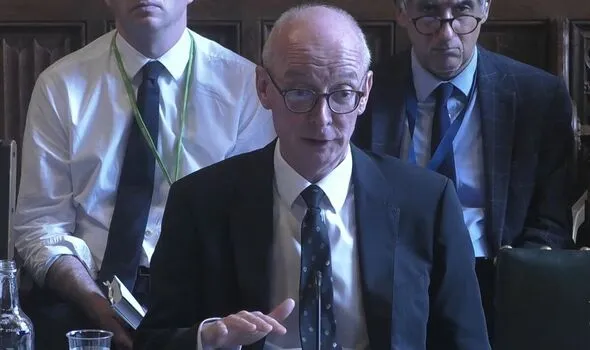
The comprehensive review, spearheaded by DWP minister Sir Stephen Timms, is examining critical aspects of the PIP system, including eligibility criteria and the overall fairness of its operation. Secretary of State for Work and Pensions, Pat McFadden, recently addressed the Work and Pensions Committee, sharing details about the review’s progress.
Minister McFadden stated, “I expect an interim reports the Timms review before this summer recess.” This announcement sets a tight deadline, as the House of Commons is scheduled to rise for its summer recess on Thursday, July 16.
Furthermore, Mr. McFadden indicated that a “final report” for the review is anticipated by the end of the current year. He added, “If there is legislative change needed, it will come after that.”
Context for the PIP Review
The decision to initiate this review follows previous government proposals to tighten eligibility rules for PIP, particularly concerning the daily living component. These proposed changes faced significant opposition from Members of Parliament, including those within the Labour party. Consequently, the government decided to postpone any modifications until the completion of the review.
Focus on System Operation and Evolving Health Needs
When questioned whether the review might be a tactic to “delay difficult decisions,” Minister McFadden clarified the review’s directive. He explained, “What we were saying in the terms of reference was, we were sending a signal to the reviewers not to come forward with a big increase in costs package.” He elaborated that the review is not precluded from proposing measures to reduce costs, but the intention was not to simply recommend a substantial increase in overall payments. Instead, the focus is on examining the operational aspects of the system.
Minister McFadden also highlighted a “critical question for the system”: the evolving landscape of health conditions among PIP claimants. He noted, “In particular, there has been an increase in conditions like anxiety, depression, neurodiverse conditions and so on.” He posed the question, “Is this benefit fit for purpose in the way it’s designed in dealing with that variety of conditions? I think that’s a very interesting question for the reviewers.”









