

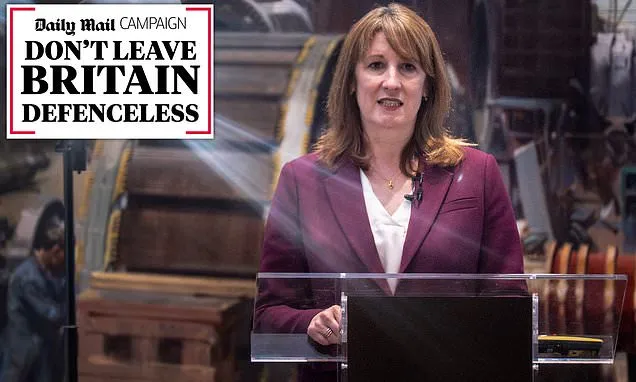
Chancellor Rachel Reeves has indicated the possibility of further tax increases to finance a significant boost in defense spending. This statement suggests that funding for the nation’s armed forces may necessitate additional revenue streams beyond current projections.
Defense Investment Plan Faces Delays
The government’s long-awaited blueprint for Armed Forces funding, the Defence Investment Plan (DIP), has experienced further delays. This postponement has drawn criticism from military leaders and defense industry representatives, who have expressed concerns over the prolonged wait for a comprehensive strategy.
Sources indicate that the announcement, when it eventually materializes, will likely include an increase in defense expenditure of approximately £15 billion. This figure represents a reduction from an initial proposal of £18 billion, reportedly negotiated down by the Treasury.
Funding Sources Under Scrutiny
Speaking to business leaders, Ms. Reeves acknowledged that while existing budget surpluses could cover a substantial portion of the additional spending, they would not fully meet the requirement. She emphasized the importance of bolstering Britain’s defense industry but cautioned, “The money has to come from somewhere and borrowing cannot always be the answer.”
Lord Robertson, a former Labour minister and NATO secretary general, has voiced concerns that the Treasury may have been impeding progress. Appearing before a select committee, he stated, “We need to move fast because we are vulnerable,” highlighting the urgency of the situation.









