

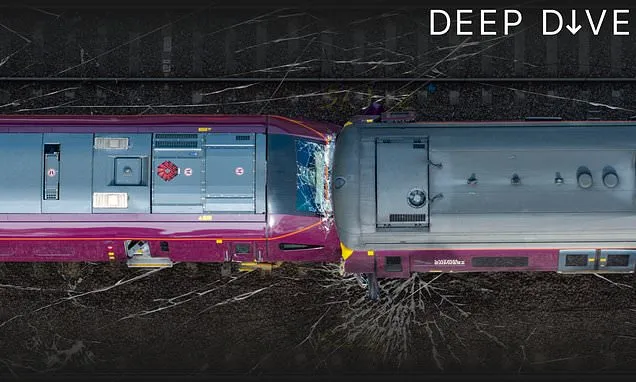
A catastrophic sequence of events led to two commuter trains being placed on a direct collision course, a detailed analysis has revealed. The intricate series of decisions and malfunctions culminated in a near-disaster, highlighting critical safety system failures.
System Malfunctions and Human Error Converge
Reports indicate that a crucial signaling system experienced a significant failure, which was compounded by a series of operational oversights. This combination created a dangerous scenario where the safety protocols designed to prevent such incidents were bypassed.
The Initial Signal Failure
The incident began with a breakdown in the automated signaling network. This failure meant that vital information regarding train movements was not being accurately transmitted or displayed to relevant personnel. Analysis shows this was the first domino to fall in the chain of events.
Operational Response and Escalation
Following the signal failure, operational procedures were initiated. However, sources confirm that the response did not fully account for the extent of the system’s malfunction. This led to a misinterpretation of the situation, allowing both trains to continue on a path that would inevitably lead to a convergence.
The Final Moments Before Impact
As the trains approached each other, the gravity of the situation became apparent. Emergency braking systems were engaged, but the proximity and speed of the trains meant that a collision was imminent. Eyewitness accounts describe a harrowing scene as the trains narrowly avoided a catastrophic impact, with only a matter of moments separating them from disaster.
Investigation Underway into Safety Protocol Lapses
An in-depth investigation is currently underway to determine the precise causes of the signal failure and the subsequent operational decisions. Officials stated that the focus is on identifying any lapses in safety protocols and implementing measures to prevent a recurrence.
Investigators are examining the technical aspects of the signaling system failure, as well as the human factors involved in the operational response. The findings are expected to provide crucial insights into the vulnerabilities within the current rail safety infrastructure.
The near-miss serves as a stark reminder of the importance of robust safety systems and vigilant operational oversight in public transportation. Authorities are committed to a thorough review to ensure the highest standards of safety are maintained for all passengers.









