

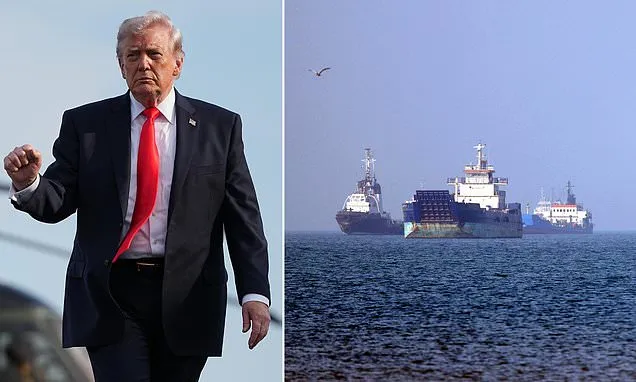
President Trump pledges to reopen the Strait of Hormuz, challenging Iran’s control over vital shipping lanes. The U.S. Navy, supported by 100 aircraft, plans to free around 2,000 ships and 20,000 crew members currently trapped in the Persian Gulf under the banner of Operation Freedom. Although scheduled to launch recently, visible progress remains limited.
Iran’s Economic Strains Intensify
Iran grapples with severe economic fallout from sanctions and disrupted oil exports. Inflation surges, shortages worsen, and a currency crisis looms as oil shipments dwindle. Officials resort to makeshift solutions, such as small tankers smuggling oil across the Pakistan border and tanker trains heading to China.
Without restoring normal exports through the Kharg Island terminal soon, storage capacity could overflow. Oil wells risk permanent damage from water ingress if production halts. While munitions stockpiles hold, cash shortages threaten military loyalty, as unpaid soldiers may refuse orders or revolt.
Tehran’s negotiation stance highlights vulnerability, consistently demanding U.S. sanctions relief amid these pressures. Prolonged conflict amplifies public discontent, echoing January protests that authorities quelled forcefully.
U.S. Military Escalation and Risks
Direct confrontation poses dangers for Washington. An Iranian strike on a U.S. vessel could spark domestic backlash, compelling a naval withdrawal. Yet Tehran believes it can endure the blockade despite U.S. naval presence.
Trump deploys additional forces, including the USS George H.W. Bush to the Red Sea, alongside troop carriers for up to 15,000 Marines and missile destroyers near Iran’s coast. Prior airstrikes have failed to break the blockade or dislodge Iranian forces.
Global Stakes and Tough Choices Ahead
Fuel price hikes in the U.S. could alienate voters, mirroring hardships in Iran. Failure to reopen the strait forces stark options: escalate airstrikes or risk prolonged conflict. Extended bombing might not yield quick results, potentially triggering energy shortages and a global recession.
Allies may seek separate deals with Iran, straining transatlantic ties. Such discord could allow a U.S. pullback, framed as a strategic pivot. Historical echoes of the 1956 Suez Crisis loom, where intervention faltered amid international pressure. With midterms and economic threats nearing, time pressures the President in this high-stakes standoff.









