UK Faces Serious Threats Requiring Urgent Action, Warns Former Defence Chief
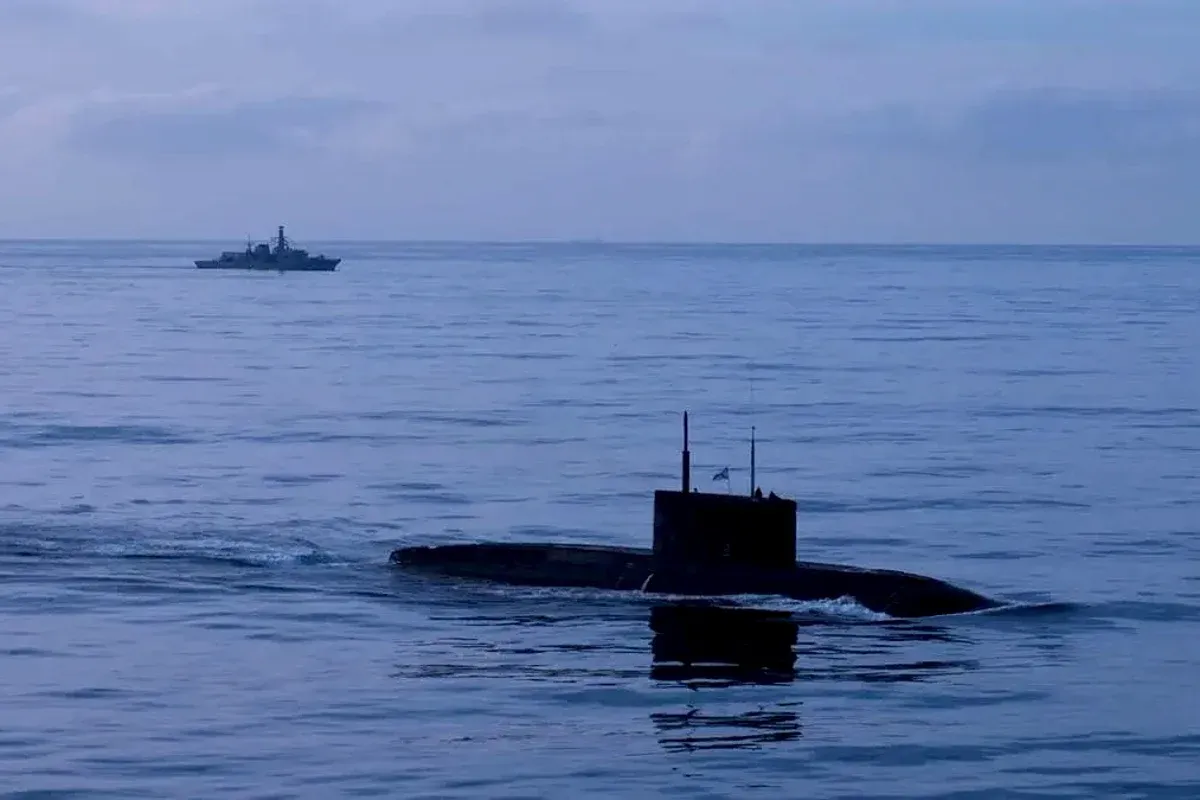
Britain must adopt a more serious stance regarding the threats posed by Russia, according to a former military chief. Lord Peach, who previously served as the Chief of the Defence Staff, asserted that Russia presents a significant danger to the British way of life, citing growing concerns over the vulnerability of the nation’s undersea cables. These vital conduits are essential for internet access, financial transactions, and the secure transfer of critical data.
Lord Peach cautioned that the United Kingdom is currently ill-equipped to handle potential national crises, including widespread power outages and full-scale conflict. “The evidence is clear that Russia intends us harm, whether through economic disruption or more covert means,” he stated.
National Preparedness and Modern Threats
In a joint discussion, Lord Peach and Baroness Coussins, Chair of the House of Lords National Resilience Committee, emphasized the necessity for immediate action in bolstering Britain’s preparedness. Baroness Coussins highlighted the public’s lack of readiness for emergencies, posing a rhetorical question: “How many of us are prepared with enough bottled water, tinned food, batteries, and medication to last for a couple of weeks or more if there was a national power cut, no running water, no petrol to drive to the shops where the shelves are already empty?” She also pointed to the absence of Wi-Fi, internet connectivity, and functioning cash machines as potential consequences.
Baroness Coussins further warned that the UK is already experiencing attacks. “It is not a question of ‘what if?’ It’s a question of ‘these things are happening now’,” she declared. “We know we are under cyber attack daily. We know that there are proxy attacks on the part of Russia, Iran, and so on. We know from what MI5 tells us publicly how many incidents of potential violence they are stepping in, identifying, and preventing.” These concerns echo recent warnings from the head of GCHQ, who stated that Russia is “relentlessly” targeting critical infrastructure, democratic processes, supply chains, and public trust across the UK and Europe.
Lessons from Past Disruptions
Recent events underscore the potential for significant disruption. Last year’s closure of Heathrow Airport, caused by a substation fire, resulted in over 1,300 flight cancellations and stranded more than 270,000 passengers, while tens of thousands of households lost power. Lord Peach referenced a politically motivated arson attack in Berlin earlier this year, which plunged 45,000 households and 2,200 businesses into darkness, disrupting internet and heating services.
Lord Peach stressed the importance of implementing last year’s Strategic Defence Review and clearly acknowledging the risks and threats the nation faces. “It’s time to be serious about resilience,” he urged.
Securing Critical Infrastructure and Supply Chains
Addressing the vulnerability of undersea cables, Lord Peach stated that as chief of the defence staff, he had raised this issue, recognizing the profound threat to the nation’s way of life should these cables be severed. He commended Sweden’s approach to emergency preparedness, which includes distributing advice booklets to households and businesses on how to respond to crises such as war or national emergencies. He expressed belief that the British public and businesses would welcome a similar initiative in the UK.
“I think British businesses would be willing, ready, and able to absorb and think about that, because we have – let’s be honest – got used very much to a global supply chain-led, just-in-time logistic model, and that is being challenged by events,” he commented.
The National Resilience Committee is currently conducting an inquiry into national resilience, with recommendations anticipated later this year. Baroness Coussins highlighted significant concerns regarding the security of the food supply chain, noting that a substantial proportion of the UK’s food is imported. She stated, “I think one of our objectives is to make sure that we get across the message about preparedness and resilience in a way that reassures, conveys a sense of urgency, but does not scaremonger.”
Baroness Coussins shared insights from Nordic countries that initially feared public alarm from open communication about threats. However, she noted that by being “completely open, completely accurate about the nature of the threats that the country might face, the public was not alarmed – it was reassured.”