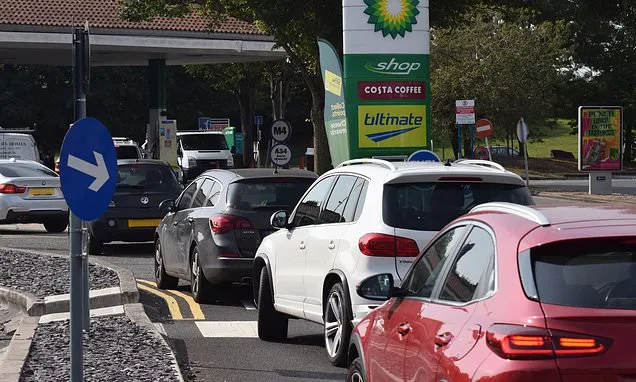
UK drivers continue facing elevated fuel costs at forecourts, even as wholesale prices for petrol and diesel decline sharply. Recent data reveals petrol has decreased by just 1p per litre, while diesel has fallen 2p per litre since April 15.
Slow Retail Price Adjustments
Global oil prices have hovered below $110 per barrel for nearly three weeks, down from a peak near $120 last month. This drop stems from ongoing disruptions, including the closure of the Strait of Hormuz linked to the Iran conflict. Despite these trends, filling a standard 55-litre tank in a family car costs over £13 more for petrol and £26 more for diesel compared to February 28, when hostilities began.
Simon Williams, head of policy at the Royal Automobile Club, stated: “Pump prices aren’t falling at the rate that analysis of wholesale data indicates they should, with petrol only having dropped a penny a litre since 15 April and diesel by 2p.”
He added: “Prices in Northern Ireland have reduced more quickly, as unleaded has already come down by 2p and diesel by more than 4p in the last week. The fact the price of oil went back above $100 on Wednesday after being below that mark for 10 days is no doubt cause for concern for retailers.”
Williams noted: “Despite this, the cost of both fuels on the wholesale market is still lower than it has been, particularly so for diesel—so drivers really ought to see some cheaper prices at the forecourts in the coming days.”
Extra Costs Hit £2 Billion Milestone
Motorists are projected to reach a staggering £2 billion in additional pump expenses today due to the conflict. A study examining daily consumption and price shifts from February 28 to recent days shows the total surpassed £1.92 billion on Monday.
This surge has delivered Chancellor Rachel Reeves an unexpected VAT revenue boost exceeding £300 million in two months, intensifying calls to abandon planned fuel duty increases and ease burdens on households.
Oil Market Volatility and Corporate Profits
Brent crude climbed to $112.70 yesterday amid supply strains from the conflict. Concurrently, BP reported first-quarter profits doubling to £2.5 billion, up from £1 billion the prior year—its largest quarterly gain since 2023.
The results mark an early win for new CEO Meg O’Neill, BP’s first female leader in its 117-year history. However, Energy Secretary Ed Miliband criticized the gains, declaring: “Profiting from a crisis is morally and economically wrong. That’s why we’re taxing these windfall profits to help fund support with the cost of living.”
O’Neill labeled additional windfall taxes a “highly flawed response” to the Iran crisis. BP anticipates flat underlying oil and gas production this year owing to Middle East disruptions.