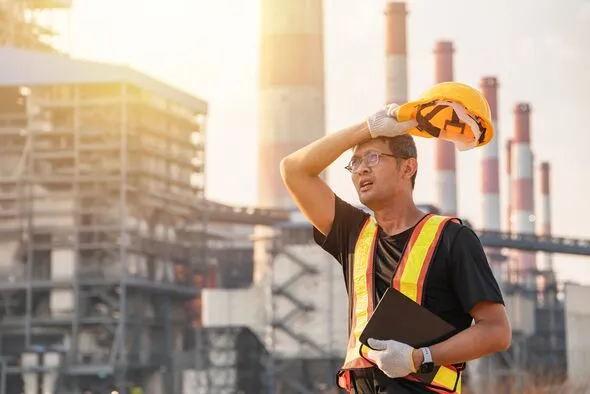
Navigating Extreme Heat in the Workplace
As summer temperatures continue to rise, concerns are growing about the impact of extreme heat on employees’ ability to perform their duties and their overall well-being. The question of when a workplace becomes too hot to continue working is becoming increasingly relevant, prompting a closer look at employer responsibilities and employee rights.
Understanding Workplace Temperature Regulations
Currently, United Kingdom law does not stipulate a specific maximum temperature for workplaces. However, employers are legally obligated to ensure that working temperatures are maintained at a “reasonable” level. This standard is intentionally broad, acknowledging that what constitutes a safe or reasonable temperature can vary significantly based on the nature of the work being performed. Factors such as the physical demands of the job, the effectiveness of ventilation, humidity levels, the type of protective clothing worn, and the availability of breaks all play a crucial role in determining an appropriate temperature range.
Variations Across Work Environments
A temperature considered acceptable in an industrial setting, such as a warehouse, kitchen, or manufacturing facility, may differ substantially from that of a typical office environment. This variability underscores the need for individualized assessments rather than a one-size-fits-all approach.
Potential for Future Guidance
While a legally mandated maximum temperature has been discussed, its practical enforcement presents considerable challenges. Industry experts suggest that a more probable development will involve enhanced guidance from health and safety authorities. This guidance is expected to focus on effective strategies for managing heat-related risks and will likely place stronger expectations on employers to conduct thorough risk assessments during periods of intense heat.
Employee Rights in Unbearable Heat
Simply feeling hot and uncomfortable does not automatically grant an employee the right to cease working. However, if there is a demonstrable health and safety risk, employees do possess certain rights. Under employment law, individuals are protected from unfair treatment or dismissal if they leave or refuse to return to a workplace where they reasonably believe there is serious and imminent danger. This protection could potentially extend to situations involving extreme heat, particularly if employers have failed to implement sensible preventative measures. In practice, most issues are best resolved through open communication and the implementation of temporary adjustments, rather than immediate departures from the workplace. Employers who respond proactively and address concerns promptly are less likely to encounter disputes.
Compensation During Heat-Related Absences
The matter of pay during heat-related work stoppages can be complex. If an employer instructs staff to stop working or decides to close the premises due to heat, employees are typically entitled to their usual pay, unless their employment contracts specify otherwise. However, if an employee refuses to work without sufficient justification, the situation becomes more complicated and dependent on the specific circumstances. Beyond legal considerations, the impact of mishandling extreme weather conditions on a company’s reputation and employee morale can be as significant as any potential legal ramifications.