

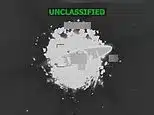
A U.S. airstrike targeted a drug boat in the Caribbean on Monday, killing three individuals linked to narcoterrorist activities. Joint Task Force Southern Spear carried out the lethal operation on a vessel operated by designated terrorist organizations, confirming the boat followed known narco-trafficking routes.
Details of the Latest Strike
No U.S. military personnel were harmed in the action. Intelligence verified the vessel’s involvement in drug trafficking operations across Caribbean waters. This strike forms part of an ongoing U.S. military campaign against suspected traffickers that began in early September, raising the total confirmed deaths to at least 151.
Recent Operations in the Region
The military conducted several airstrikes earlier this month. On February 5, a strike killed two alleged narco-terrorists. Another on February 9 eliminated two more, with U.S. forces promptly rescuing the sole survivor. A follow-up operation on February 13 resulted in three additional fatalities. Officials noted that all targeted vessels transited established narco-trafficking paths and participated in illicit operations.
Three more aerial strikes occurred in Latin American waters last week, killing 11 people.
Broader Campaign Context
President Donald Trump describes the U.S. engagement with Latin American cartels as an “armed conflict,” positioning the strikes as essential to curb drug inflows. The campaign, dubbed Operation Southern Spear, aims to neutralize threats in the Western Hemisphere.
Hegseth stated that the mission “defends our Homeland, removes narco-terrorists from our Hemisphere, and secures our Homeland from the drugs that are killing our people.” He added: “The Western Hemisphere is America’s neighborhood – and we will protect it.”
Criticisms and Concerns
Strike frequency has decreased since the U.S. captured Venezuelan leader Nicolás Maduro in a raid on January 3. Critics challenge the operations’ legality and effectiveness, noting that fentanyl—responsible for many U.S. overdoses—primarily enters via land routes from Mexico, using chemicals sourced from China and India.
Controversy intensified after revelations that a follow-up strike killed survivors from an initial boat attack. Supporters argue the actions remain lawful and necessary, while opponents, including Democratic lawmakers and legal experts, label them potential murders or war crimes.
Impact on Local Fishermen
In St. Vincent and the Grenadines, Winsbert Harry, president of the National Fisherfolk Organization, expressed safety worries for Caribbean fishermen. Speaking on SVG-TV, he urged precautions amid the escalating U.S. operations in the eastern Caribbean.









