White House Crisis Meeting Addresses Epstein Files Fallout
An extraordinary crisis meeting convened within the White House focused on mitigating the administration’s response to the fallout from the Jeffrey Epstein files. The gathering, attended by key figures in Donald Trump’s inner circle, aimed to strategize ways to manage public and political pressure surrounding the sensitive documents.
Key Figures and Proposed Strategies
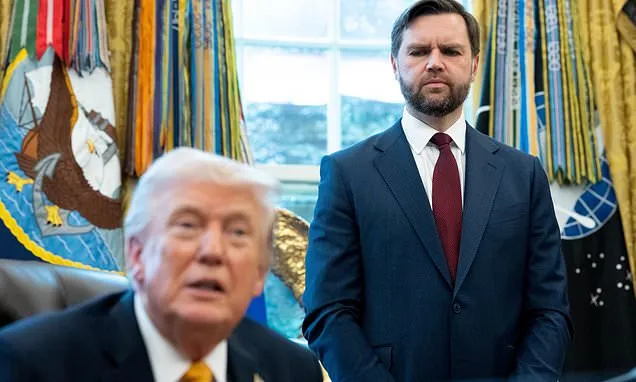
Among those present were Vice President JD Vance, Chief of Staff Susie Wiles, Press Secretary Karoline Leavitt, and then-DOJ official Pam Bondi, accompanied by her then-deputy Todd Blanche. Although President Trump was absent, Vice President Vance reportedly urged the immediate public release of all Epstein-related files. He warned that Congress was poised to compel such a release if the administration did not act proactively.
In an effort to navigate the escalating situation, Vance is said to have proposed a novel media strategy. This plan reportedly involved former Fox News host Tucker Carlson interviewing Ghislaine Maxwell, Epstein’s associate currently serving a prison sentence for child sex trafficking. Vance’s rationale was that Maxwell’s testimony could potentially exonerate Trump from any allegations connected to Epstein.
Reports indicate Vance characterized the situation as a “huge problem.” He expressed concern that even staunch supporters of the administration were reportedly dissatisfied with the official stance that Epstein did not maintain a client list and that no credible evidence suggested he blackmailed anyone. This sentiment was reportedly echoed by other attendees, some of whom expressed skepticism regarding Vance’s inclination towards “conspiracy theories.” Susie Wiles, for instance, has previously described Vance as a “conspiracy theorist for a decade.”
Debate Over Communication and Legal Avenues
The meeting also explored the possibility of the Department of Justice and FBI holding a press conference to address inquiries from the press. Vance reportedly argued that a forced congressional release of the files could lead to a steady stream of damaging reports detrimental to the President and the administration. However, then-Deputy White House Chief of Staff James Blair reportedly voiced reservations, suggesting that the current communication strategy had contributed to the problem and might not be effective in resolving it. Blair also highlighted the potential difficulty of answering press inquiries, posing hypothetical challenging questions.
Todd Blanche, now acting Attorney General, reportedly suggested a legal maneuver involving Florida courts to unseal testimony related to Epstein. The strategy relied on the high bar for unsealing records, anticipating a denial that could then be used to shift blame for withholding documents. Blanche had indeed filed a request to unseal such documents earlier, which was initially denied. However, following the passage of the Epstein Transparency Act in late 2025, which President Trump signed into law, the court eventually unsealed redacted federal grand jury transcripts.
Blanche also apparently proposed having Maxwell testify directly to DOJ lawyers, indicating he was willing to meet with her personally, a step he later undertook. During this interaction, Maxwell reportedly stated that she had never witnessed any wrongdoing by Trump, describing him as “a gentleman in all respects.”
Presidential Response and Public Statements
The House Oversight Committee has been actively investigating Epstein and his associates. During the meeting, Trump’s attorney, David Warrington, reportedly proposed pardoning Maxwell. White House Communications Director Steven Cheung is reported to have raised concerns about the significant public relations backlash such a move would generate, particularly from survivors of Epstein’s abuse.
Blair reportedly stated that offering Maxwell any concessions was ill-advised, arguing it would undermine the credibility of any positive statements she might make and fuel conspiracy theories. He emphasized that if Maxwell had nothing damaging to say, there would be no need to offer her anything.
At the time of these discussions, The Wall Street Journal was reportedly preparing a story concerning a birthday letter Trump allegedly sent to Epstein. Reports suggest Trump contacted executives at the Journal and its owner, Rupert Murdoch, in an attempt to prevent the story’s publication. The Times reported that during a call with a Journal executive, Trump allegedly stated she must “hate America.”
Following the internal discussions and a review of the Journal’s impending report, Trump reportedly approved the strategy to pursue court-unsealing of documents, as suggested by Blanche. He subsequently posted on social media, stating, “Based on the ridiculous amount of publicity given to Jeffrey Epstein, I have asked Attorney General Pam Bondi to produce any and all pertinent Grand Jury testimony, subject to Court approval. This SCAM, perpetuated by the Democrats, should end, right now!”
A White House spokeswoman, Abigail Jackson, issued a statement asserting that President Trump has been “totally exonerated on anything relating to Epstein.” She further highlighted that by releasing extensive documentation, cooperating with congressional subpoenas, signing the Epstein Files Transparency Act, and calling for further investigations into Epstein’s associates, President Trump has demonstrably aided Epstein’s victims more than any predecessor.