

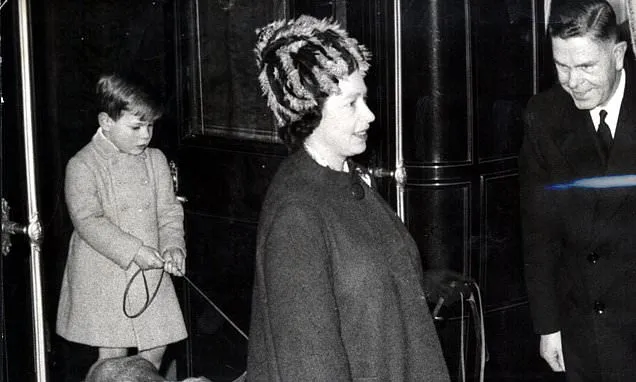
Photographs of expectant royal mothers have become a cherished tradition, capturing the joy and vitality of Princess Catherine during her pregnancies with George, Charlotte, and Louis, or Princess Diana’s radiant appearances before William and Harry’s arrivals. Yet, strikingly few images exist of Queen Elizabeth II during her own pregnancies, particularly the first two.
Era of Strict Royal Protocol and Social Taboos
Royal pregnancies in the 1940s and 1950s remained highly private affairs. Social norms deemed it improper and indecent to photograph or publicly display women of the monarchy while pregnant.2022 Strict protocols ensured no such images were taken or released, shielding the future monarch from scrutiny during vulnerable times.17
Delayed Announcements for Prince Charles and Princess Anne
For her first child, Prince Charles, born November 14, 1948, Buckingham Palace issued a cryptic notice: Princess Elizabeth would undertake no public engagements after the end of June.37 This indirect signal came months into the pregnancy, maintaining secrecy as long as possible amid post-war austerity.
Princess Anne arrived on August 15, 1950. An announcement on July 6 noted the baby was expected late August, still keeping details minimal until close to the due date.37 No photographs captured Elizabeth’s visible pregnancy in either case, aligning with the era’s emphasis on dignity and privacy.
Changes with Princes Andrew and Edward
By the time Elizabeth welcomed Prince Andrew on February 19, 1960, and Prince Edward on March 10, 1964—as reigning Queen—subtle shifts occurred. The media landscape evolved slightly post-1950s, though pregnancies stayed off-limits for photography. Announcements followed similar private patterns, but public interest grew with her established role, leading to prompt post-birth images rather than prolonged concealment.8060
These practices reflected not only personal preference—Elizabeth reportedly disliked the term ‘pregnant,’ finding it vulgar—but also a deliberate strategy to protect the monarchy’s image during transformative royal and societal periods.









