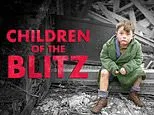
Memories of the sheer terror during World War II air raids risk fading as the last survivors, now in their 90s and beyond, share poignant tales from their childhoods. A new documentary captures these deeply moving accounts before they are lost forever.
Documentary Highlights Fading Voices
Director Jack Warrender’s Children of the Blitz features stories from elderly survivors without relying on familiar wartime imagery like St. Paul’s Cathedral or royal visits. Instead, animated maps illustrate the heaviest bombing zones, underscoring the random devastation.
101-year-old Dorothea Barron notes with a wry chuckle, ‘So few of us are left – we’re all popping our clogs quite frequently.’
Traumatic Personal Experiences
One survivor, the late Patsy Moneypenny, who passed away after filming, demonstrated her resilience by tap-dancing in her kitchen at age 90. A bomb crashed through her family’s Belfast home, leaving everything in flames and rendering her mute for years. ‘It must have been horrific for my mum trying to get me out,’ she recalled. Evacuated late to the countryside, Patsy developed a lifelong habit of rubbing cloth pieces to soothe her nerves, unable to sleep without it.
Such details highlight the enduring psychological scars from the Blitz.
Dramatic Escapes and Losses
92-year-old Ted Bush describes returning from a cinema outing to see George Formby with his parents, only to find their house and half the street obliterated.
Siblings John Cheetham and Cynthia Fowler from Hull share lighter moments, debating details of their Anderson shelter. John insists corrugated iron surrounded the door, recounting how he cut his ear on it.
A Mother’s Tragic End
The most heartbreaking account comes from 92-year-old Jean Whitfield. After a night of raids, a relative took her for a walk. Moments later, a time-bomb detonated in the communal yard where her mother hung washing, killing her instantly. Jean visits the common grave where her mother and others were buried. ‘I think it’s so sad that nobody cared enough to give her a proper grave,’ she says.
These stories emphasize the human cost of the Blitz. Efforts continue to honor these survivors and address past injustices, such as providing individual graves for the fallen.