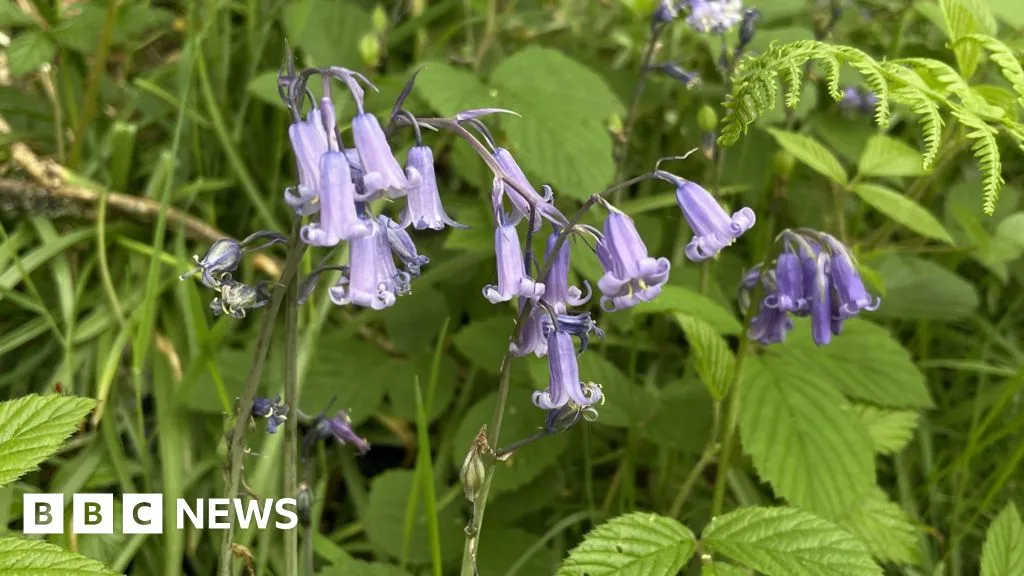
Urgent Call to Safeguard Delicate Bluebells
Visitors to bluebell woods receive a strong reminder to stay on designated paths to ensure these vibrant spring flowers return next year. In south-west England, enthusiasts seeking ideal photographs risk damaging dense bluebell copses by venturing off-trail and stepping on the plants.
Expert Advice for Responsible Enjoyment
Joe Middleton, Devon site manager for the Woodland Trust, advises: “Stay on the path, keep your dog on a lead, use the zoom on your camera, don’t trample all over them.”
Trampling crushes the flowers and compacts the soil beneath, preventing new growth. This practice also disrupts insect populations, as bluebells supply vital early-spring pollen to emerging insects that support birds and other wildlife.
“We don’t need humans trampling flowers to add to the list of pressures that our wildlife is already facing,” Middleton emphasized.
While welcoming visitors, experts stress protecting the entire habitat, including ground-nesting birds alongside fragile flower populations.
Significance of Bluebells in UK Woodlands
Native to western Europe, bluebells thrive in south-west England strongholds. They signal ancient woodlands, often appearing alongside other indicator species. UK woods host peak densities, with thousands of bulbs forming stunning blue carpets each spring.
Legal Protections in Place
Bluebells enjoy protection under the Wildlife and Countryside Act 1981. Digging up plants or bulbs in the wild is illegal, and landowners cannot remove them for sale.