

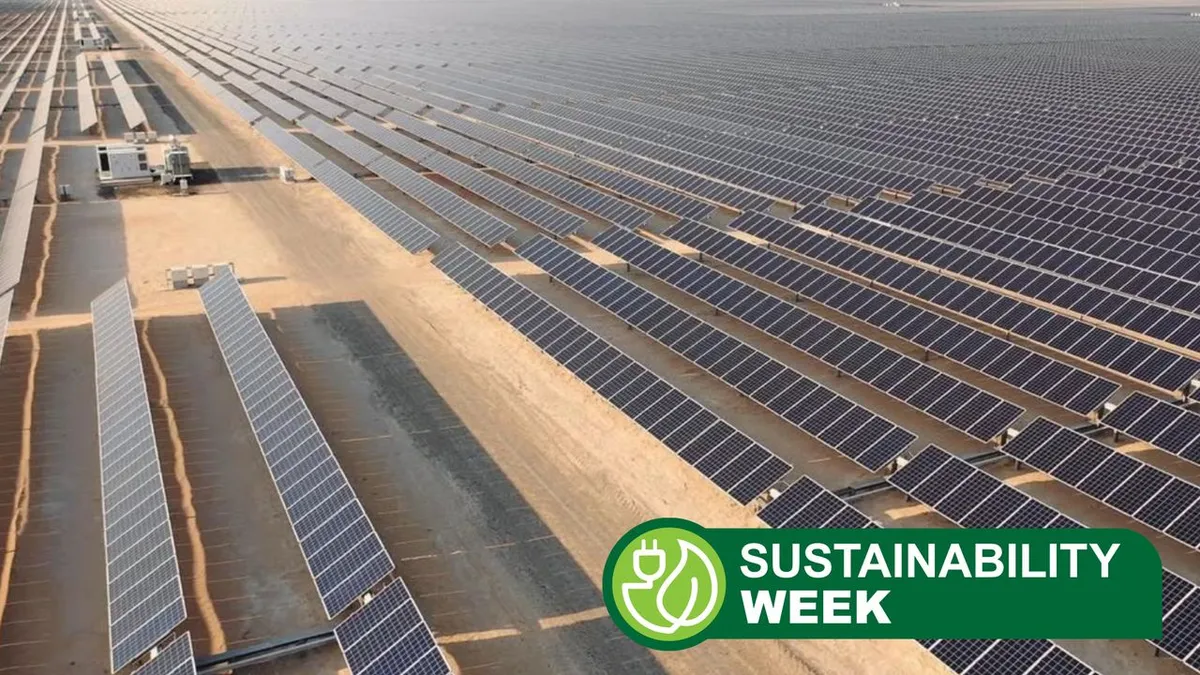
Renewable energy sources have overtaken coal to become the world’s primary provider of electricity in 2025, marking a historic shift driven by unprecedented solar growth.
Key Milestones in 2025
Ember’s latest global electricity review reveals that renewables generated 33.8% of the world’s electricity last year, edging out coal’s share, which fell 0.2% to 33%. Wind and solar power accounted for 99% of the increase in global electricity demand, with solar alone covering 75% of that expansion.
The International Energy Agency’s Global Energy Review 2026 confirms that “the absolute increase of solar PV generation in 2025 is the largest ever observed for any source.” Solar generation surged 30% year-over-year, propelling renewables into the lead for the first time without reliance on economic downturns or pandemics.
Electric Vehicles Fuel Demand Growth
Ember highlights electric vehicles (EVs) as a structural driver of electricity demand, contributing 8% to last year’s rise. EV-related demand jumped to 66TWh from 36TWh in 2024, as global EV sales exceeded 25% of the car market. In the UK, EV sales climbed 24.2% year-over-year in March, while diesel and petrol vehicle sales dropped 6.1% and 11.4%, respectively.
Solar and Battery Storage Revolution
Solar leads the renewable surge, with Ember noting: “The accelerating build-out of solar power is increasingly taking place alongside battery storage deployment, enabling the next paradigm shift – from daytime solar to anytime solar.” Battery costs plummeted 20% in 2024 and 45% in 2025, boosting deployment by 46%. This allowed the world to shift 14% of new solar generation from midday to other times.
Beyond large-scale arrays, solar integrates into everyday devices like Windows 11 laptops, smart locks with mini panels, and wireless home security cameras, reducing wiring needs and adding to overall adoption.
Challenges Ahead: Data Center Demands
Amid these advances, AI-powered data centers pose a growing risk due to their massive power requirements. In response, Maine enacted laws restricting large-scale data center builds in certain areas to manage grid strain.









