Traditional owners of Yindjibarndi land in Western Australia’s north receive Australia’s largest native title compensation award of $150.1 million following a Federal Court ruling. Critics argue the amount falls short, citing a flawed calculation method that undervalues economic impacts from unauthorized mining operations.
Landmark Ruling Against Mining Operations
The decision stems from a prolonged legal dispute between the Yindjibarndi Ngurra Aboriginal Corporation (YNAC) and Fortescue, owned by mining magnate Andrew Forrest. Fortescue developed four major iron ore mines on Yindjibarndi land without permission, with the Solomon Hub operations spanning 135 square kilometers and generating an estimated $80 billion in revenue since 2013. These mines continue to produce millions of tonnes of ore annually, contributing to Forrest’s personal wealth exceeding $33 billion.
Justice Stephen Burley primarily based the award on cultural losses, including the destruction of around 140 spiritually significant sites, totaling $150 million. Economic compensation amounted to just $100,000, calculated from the land’s freehold value rather than potential resource extraction profits.
Flaws in Compensation Formula Highlighted
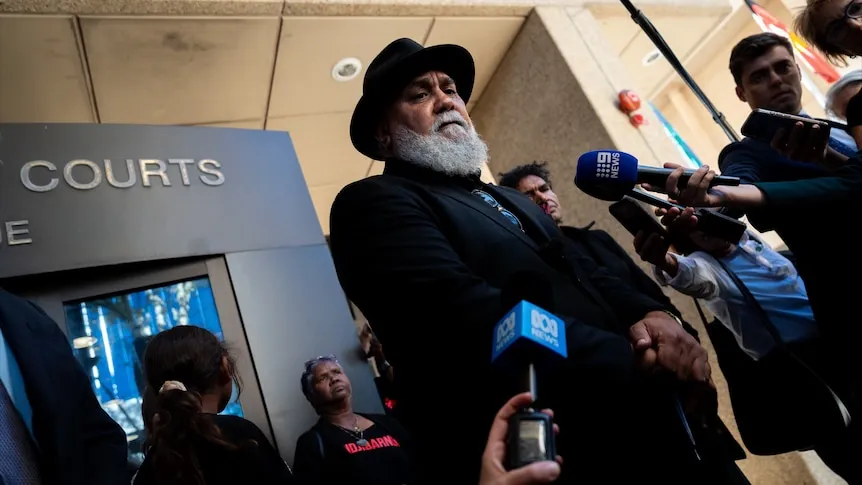
National Native Title Council chair Kado Muir questions the economic loss assessment, stating, “When you dig down deeper [into] the economic loss, $100,000 wouldn’t buy you a front porch.” He emphasizes structural issues in native title compensation laws, noting, “The formula is flawed. The Federal Court is handing [over] the keys to the bulldozer and allowing mining companies to go ahead, drill, dig, bulldoze and the consequences will not be that bad.”
YNAC CEO Michael Woodley describes the payout as disappointing, far below the $1.8 billion sought by lawyers. He compares it to setbacks from the historic Mabo decision, adding, “The entire First Nations of this country is watching us.”
Precedent-Setting Implications
Veteran native title lawyer Greg McIntyre, involved in the Mabo case, calls the ruling a watershed moment, especially for mining-heavy regions like Western Australia and Queensland. “This illustrates that native title is more than just the real estate value which non-Indigenous people place on it,” he says. “It has a specific value which is related to the spiritual connection with which native title holders have to the land.”
This marks only the third Federal Court native title compensation decision, following smaller High Court awards of $2.5 million to Ngaliwurru and Nungali peoples and $54 million to Gudanji, Yanyuwa, and Yanywa-Marra groups.
Calls for Appeal and Reform
Resources journalist Paul Cleary, author of Title Fight on the dispute, urges YNAC to appeal, deeming the $100,000 economic award “extraordinary and obviously inherently unfair.” Yindjibarndi elder Jane Cheedy hopes the case inspires others, saying, “Yindjibarndi people, we’re just a little group, you know? But I’m glad we had strong elders. Strong elders who fought all the way until their time of passing.”
The Western Australia government faces no financial liability, as compensation responsibility lies with the tenement holder under the WA Mining Act, a point affirmed by Justice Burley. Premier Roger Cook indicates the government will review the judgment closely. Both YNAC and Fortescue are scheduled to reconvene on June 22.