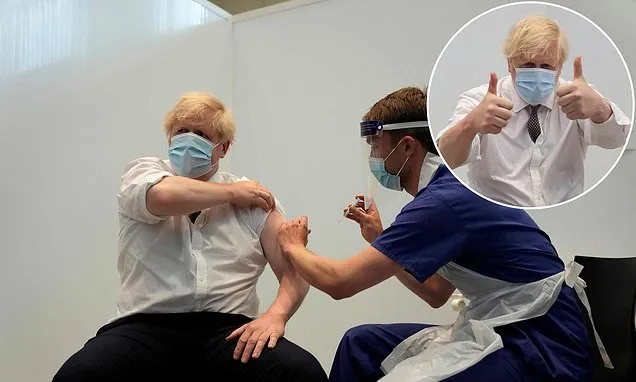
Britain demonstrates remarkable capability through its swift COVID-19 vaccine deployment, as highlighted by recent findings from the Covid Inquiry led by Baroness Heather Hallett. The panel describes the operation as an ‘extraordinary’ achievement, underscoring the nation’s ability to unite and excel under pressure.
Inquiry Highlights Vaccine Success
The Covid Inquiry concludes that the UK’s vaccine rollout stands out as a model of efficiency and determination. By March 2021, nearly 50 percent of the adult population received at least one dose, outpacing comparable nations. In contrast, the EU-27 bloc achieved only 10-12 percent vaccination rates at the same point.
Key Elements Driving the Rollout
Several factors contributed to this rapid success. The National Health Service (NHS) played a central role, supported by a unified structure and incentives for general practitioners to vaccinate patients. Innovations from scientists, including Sarah Gilbert at Oxford, ensured effective vaccine development. Negotiators like Maddy McTernan secured supplies from pharmaceutical companies, while Kate Bingham led the Vaccine Taskforce to amass ample stocks, minimizing early shortages.
Brexit Enables Swift Action
Post-Brexit regulatory independence proved crucial. The UK avoided the EU’s centralized procurement for 27 countries, allowing direct negotiations with suppliers. Kate Bingham’s team moved quickly without needing multi-nation approvals, securing larger and more secure orders.
Additionally, the Medicines and Healthcare products Regulatory Agency (MHRA) authorized Pfizer’s vaccine 19 days before the European Medicines Agency and AstraZeneca’s 30 days earlier. These timelines proved vital during peak virus transmission, when daily deaths exceeded 1,000 and no cure existed.
Comparisons with EU Challenges
The UK’s approach enabled an earlier end to restrictions on July 19, 2021, fostering the fastest G7 economic recovery. Many EU nations, including France, Italy, and Germany, maintained measures into 2022.
Tensions arose when the EU temporarily held five million AstraZeneca doses destined for the UK in a Dutch warehouse in February 2021. French President Emmanuel Macron had labeled the vaccine ‘quasi-ineffective,’ highlighting procurement hurdles that the UK sidestepped.
Lasting Lessons on National Strength
The rollout showcases effective collaboration between government, private enterprise, and motivated individuals. Sites like the Cwmbran vaccine center in South Wales buzzed with communal purpose, echoing the 2012 London Olympics’ volunteer spirit. This success affirms Britain’s potential for great accomplishments when challenges demand unified effort.