

The United States maintains a blockade on Iranian ports through control of the Strait of Hormuz, countering Iran’s recent moves to assert dominance over this essential passage. Iran lists recognition of its sovereignty over the strait among conditions to halt hostilities.
Strategic Importance of the Strait
The Strait of Hormuz ranks among the world’s premier maritime chokepoints, channeling massive volumes of global energy trade through narrow confines. History shows that operations to seize such corridors often exact a steep toll, far exceeding initial expectations.
Gallipoli Campaign: A Cautionary Tale
As the April 25 anniversary of the Gallipoli campaign nears, allies weigh its lessons amid rising tensions. In early 1915, Britain, France, and their partners sought to sustain Russia with munitions via the Dardanelles straits, controlled by the Ottoman Empire and linking the Mediterranean to the Black Sea.
Allied leaders planned a naval assault without ground forces, spearheaded by Winston Churchill as First Lord of the Admiralty. Officials viewed it as a low-risk “side show” using outdated ships, preservable if needed against German threats in the North Sea.
Naval Failure and Escalation
Naval power thrives in open seas but falters in confined straits, exposed to land artillery and mines. Turkish forces had fortified shores with heavy guns and sown mines. Minesweepers faced devastating fire, while battleships struck unswept explosives, sinking nearly a third of the fleet.
Historian Jörn Leonhard observes, “With just one minelayer, the Turkish navy had successfully sealed the mouth of the Dardanelles.”
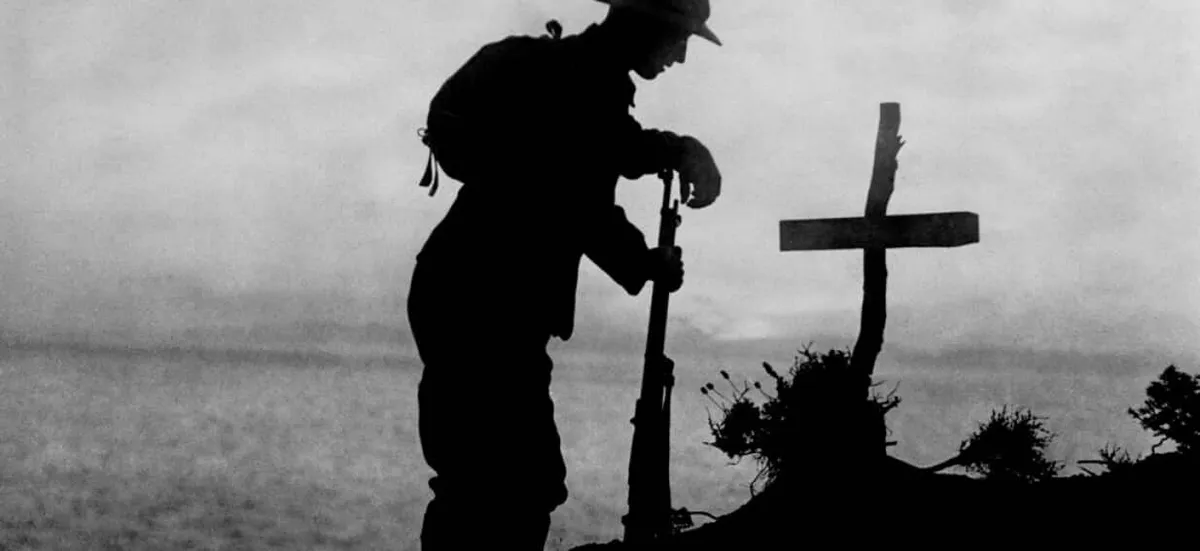
Stakes rose, prompting Allied ground landings on April 25, 1915, including Anzac troops, to neutralize defenses. Historian John H. Morrow Jr. notes: Though outnumbered, Turkish forces held superior positions and proved a formidable opponent. Total casualties reached approximately 483,000 before Allied withdrawal.
Parallels to Today’s Conflict
Effective strategies demand wide consultation and evidence-based analysis. Gunboat diplomacy falters against determined foes, as seen in 1915 and current operations. Initial setbacks often trigger escalation, or “mission creep,” rather than retreat.
Modern naval forces at chokepoints face heightened threats from affordable drones and missiles, empowering even weaker states and non-state groups against advanced navies. The conflict already inflicts civilian losses, with broader disruptions to energy and fertilizer supplies threatening vulnerable regions worldwide.
Implications for Allies
Scrutiny of the Hormuz standoff mirrors critiques of Gallipoli: quick resolutions prove elusive without multifaceted approaches. Australia, unlike in 1915, asserts sovereign choices in global disputes.









