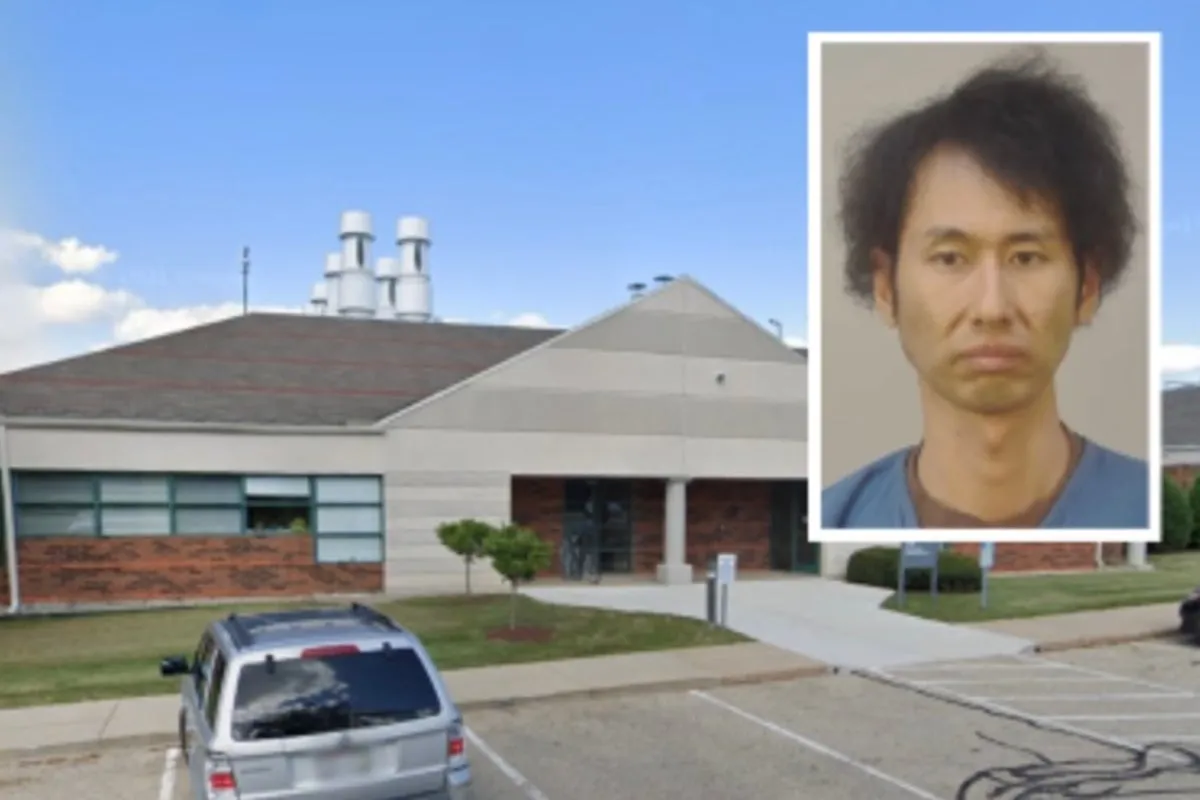
A researcher at the University of Wisconsin-Madison faces charges for allegedly adding toxic lab chemicals to a co-worker’s water bottle and shoes following a denied promotion.
Arrest and Initial Discovery
University police arrested 41-year-old Makoto Kuroda, an employee at the School of Veterinary Medicine’s Influenza Research Institute, on Friday, April 10. Authorities acted after identifying a safety concern between Kuroda and another staff member.
The targeted co-worker reported a strange odor from his desk water bottle on Saturday, April 4. He described a bad taste upon sipping it and immediately spit it out. Two days later, the same odor emanated from his lab shoes stored in the office.
The co-worker stated he had no conflicts with anyone at work.
Motive and Confession
During questioning, Kuroda admitted resentment toward the co-worker, with whom he had collaborated for five years. He cited the colleague’s recent promotion—while his own was denied—as a key grievance. Kuroda felt his peer acted superior post-promotion and raised other issues, such as skipping lab coats when supervisors were absent.
A fellow colleague provided police with an email from Kuroda confessing: “I did it. I have also informed the person himself. I am very sorry.”
Chemicals Involved and Intended Effects
According to the criminal complaint, Kuroda mixed paraformaldehyde and Trizol—a reagent for RNA separation—and added approximately 0.5 microliters to the water bottle. He placed about 1.5 microliters in each shoe.
Kuroda told investigators he anticipated illness from the mixture. Even 1 microliter of paraformaldehyde could cause mouth and throat irritation or rash if ingested. Contact with shoes treated similarly would likely produce a rash.
Charges and University Response
Prosecutors charged Kuroda with second-degree recklessly endangering safety and tampering with household products. Conviction could result in a fine up to $25,000 and up to 10 years in prison.
The university placed Kuroda on administrative leave, launched a workplace investigation, revoked his research privileges, and barred access to facilities and assets. Details on his legal counsel remain unavailable.